
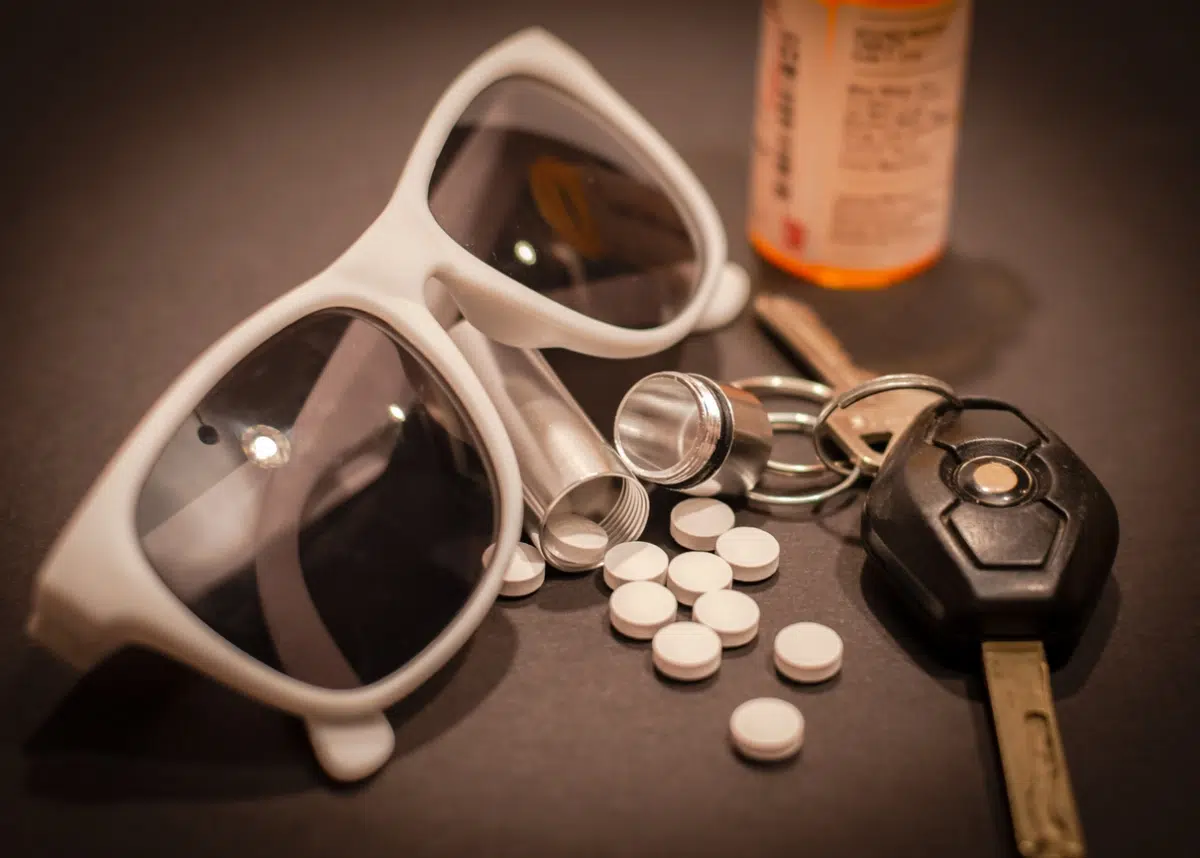

Driving under the influence doesn’t just apply to alcohol or illegal narcotics. In today’s medicated society, many responsible drivers are shocked to discover they can be arrested, charged, and prosecuted for driving while taking validly prescribed medications. You might assume that because a doctor prescribed the drug and a pharmacist filled it, you are legally protected. Unfortunately, the law is rarely that simple. If you find yourself in this situation, you need to understand that having a doctor’s script is not an automatic shield against prosecution. Still, it does provide specific, powerful avenues to challenge the state’s case.
Facing these charges requires a sophisticated legal strategy that goes far beyond standard traffic defense. You need a skilled DUI defense attorney who understands the nuances of pharmacology, toxicology, and traffic law. At Joseph Williams Law, we regularly handle complex cases involving DUI and drug charges, helping clients navigate the legal system when their necessary medical treatment becomes a criminal allegation. If you need immediate assistance, contact us today to discuss your case.
This guide explores exactly how to fight a DUI charge for prescription drugs, the scientific nuances of these cases, and the legal strategies that can protect your driving privileges, your professional license, and your freedom.
What Counts as a Prescription Drug DUI Charge
Most people understand the legal limit for alcohol is a 0.08% Blood Alcohol Concentration (BAC). In the world of alcohol DUIs, science has established a generally accepted correlation between that number and physical impairment. However, prescription drug cases are much murkier and far more subjective.
There is generally no “per se” legal limit for prescription medications in most jurisdictions. You typically cannot be convicted simply because a drug was in your system; the prosecution must prove that the drug actually impaired your ability to drive safely.
State laws typically define this offense as driving while under the influence of any drug—legal or illegal—that impairs the driver’s mental or physical faculties. This creates a dangerous gray area. It means that even if you take a medication exactly as prescribed by your physician, an officer can still arrest you if they believe the side effects, such as drowsiness, slow reaction times, or slight confusion, render you unsafe to operate a vehicle.
Common Medications Triggering DUI Arrests
It is not just heavy narcotics that lead to arrests. Drivers are frequently charged for common maintenance medications. The medications that most often lead to these charges include:
- Benzodiazepines: Drugs like Xanax, Valium, and Klonopin are central nervous system depressants. Police frequently flag them due to their sedative effects, which can mimic alcohol intoxication (slurred speech, stumbling).
- Opioids: Painkillers like Vicodin, Percocet, or OxyContin can cause physical impairment. Officers often look for “pinpoint pupils” and slow speech patterns as indicators of opioid influence.
- Sleep Aids: Medications like Ambien and Lunesta are notorious in the DUI world. They can leave residual effects the following morning, leading to “sleep driving” allegations where the driver has no memory of getting behind the wheel.
- Antidepressants and stimulants, such as Adderall, Ritalin, or SSRIs, can be cited in a DUI report. Stimulants can result in allegations of aggressive or erratic driving, while antidepressants can sometimes cause delayed reaction times during the adjustment period.
The core of the prosecution’s argument usually rests on the presence of the drug combined with evidence of “bad driving.” However, mere presence does not equal impairment, and this distinction is the foundation of your defense.
How Prescription Medications Affect DUI Cases
Understanding how prescription medications affect DUI cases is vital because the science differs vastly from alcohol. Alcohol leaves the body at a relatively predictable rate (zero-order kinetics), and its effects on motor skills are universally understood. Prescription drugs, however, metabolize differently in every individual based on age, weight, metabolism, liver function, and history of use.
The Critical Role of Tolerance
Tolerance is the most significant factor in these cases. A person who has been taking a specific dosage of anti-anxiety medication for five years may have developed a significant physiological tolerance. While a first-time user (“naive user”) might be rendered unconscious by a specific dose, a long-term patient might function normally with zero impairment at that same level.
Police officers are rarely trained to recognize this distinction. They rely on standardized training that generalizes drug symptoms, assuming that everyone with X amount of drug in their blood must be impaired. This assumption is scientifically flawed.
The Therapeutic Window
When you hire a prescription medication DUI legal help professional, they will examine the “therapeutic window.” This refers to the dosage range in which the drug is effective for the patient without causing toxicity or severe side effects. If your blood levels are within the therapeutic range established by medical literature, it serves as strong evidence that you were not using the drug abusively. It supports the narrative that you were chemically balanced rather than chemically impaired.
What Evidence Prosecutors Use in Prescription DUI Cases
To convict you, the state must build a narrative. Since they cannot usually point to a statutory limit like “0.08” to secure an automatic conviction, they must rely heavily on subjective evidence and circumstantial observations to prove you were “less safe” to drive.
Officer Observations and Admissions
The case often begins with the police report. The officer will testify about your driving pattern—swerving, speeding, or driving too slowly. Upon the stop, they will look for physical signs such as dilated or constricted pupils, slurred speech, heavy eyelids, or confusion.
Crucially, prosecutors rely on your own admissions. If an officer asks, “Are you on any medication?” and you honestly answer, “Yes, I took my prescription Xanax,” that admission becomes the primary evidence linking your driving behavior to a substance. Without that admission, the officer might only have a suspicion; with it, they have a “cause.”
The Drug Recognition Expert (DRE) Protocol
In many prescription DUI cases, a Drug Recognition Expert (DRE) may be involved. These are officers with additional training in identifying drug impairment. They perform a 12-step evaluation that includes checking pulse rate and muscle tone, and examining the eyes in a dark room.
While this sounds scientific, the DRE protocol is often criticized by the defense community. It is subjective and prone to confirmation bias. If an officer expects to find impairment because you admitted to taking meds, they are more likely to interpret a slightly elevated pulse or a natural sway as evidence of drug use. We aggressively cross-examine DREs to show that their “diagnosis” is often nothing more than an educated guess that ignores medical explanations.
Field Sobriety Tests (FSTs) Limitations
The Standardized Field Sobriety Tests (SFSTs)—the Walk-and-Turn, the One-Leg Stand, and the Horizontal Gaze Nystagmus (HGN) test—were designed specifically to detect alcohol impairment. They were not designed to measure impairment by prescription drugs.
While some correlation exists, many medications do not cause the specific eye jerking (nystagmus) that alcohol does. Furthermore, the physical conditions that require the medication often make it physically difficult to perform balancing tests. If you take painkillers for a back injury, you likely cannot stand on one leg for 30 seconds without pain or swaying. The officer marks this as a “fail” due to drugs, when in reality, it is a result of your underlying physical condition.
Chemical Tests: What They Prove and What They Don’t
Blood tests are standard in drug DUI cases because breathalyzers cannot detect pills. However, understanding how blood tests work in drug DUI cases is critical for the defense.
A blood test reveals the presence of a drug and the quantity of the drug. Crucially, it does not prove when the drug was taken or if the driver was impaired at the exact moment of the arrest. Many drugs have long half-lives. For example, metabolites of Valium or marijuana can stay in the system for days or weeks after the psychoactive effects have worn off. A prosecutor may wave a lab report showing a “positive” result, but your attorney can argue that this result only proves past ingestion, not present impairment.
Strategies: The Therapeutic Use Defense
One of the most effective strategies when analyzing how to fight a DUI charge for prescription drugs is the therapeutic use defense. This defense acknowledges that the drug was in your system but argues that its presence was medically necessary, legally compliant, and did not cause impairment.
This strategy shifts the narrative from “drug abuse” to “responsible medical treatment.” Your attorney will work to demonstrate that you are under the care of a physician who is aware of your medical history and has monitored your reaction to the medication.
We often present medical records showing a consistent prescription history. This helps rebut the prosecutor’s suggestion that the presence of the drug is inherently dangerous. We argue that you were compliant with the doctor’s orders. If your doctor has never warned you against driving, or if they determined your dosage was stable, that medical opinion carries significant weight. We aim to show that any alleged “bad driving” was due to other factors—distraction, fatigue, alignment issues with the car, or poor road conditions—rather than the medication itself.
Proving Lack of Impairment for Drug DUI
The burden of proof lies with the prosecution. They must prove beyond a reasonable doubt that you were impaired. Your defense team can proactively work on how to demonstrate a lack of impairment for drug DUI charges by highlighting evidence of normal cognitive and physical function.
Analyzing the Dashcam and Bodycam Footage
Police dashcam and bodycam footage are often the defense’s best friends. They act as objective witnesses that cannot lie or exaggerate. While the officer’s report might claim you were “stumbling, slurring, and confused,” the video often tells a different story.
We scrutinize this footage for:
- Speech Patterns: Are you answering questions logically and clearly? Or is your speech truly garbled?
- Balance and Dexterity: Did you exit the vehicle steadily? Did you hand over your license and registration without fumbling?
- Mental Acuity: Did you follow complex instructions? If you can be seen standing straight and conversing logically, it directly contradicts the officer’s subjective opinion of intoxication.
Contextualizing the Stop
Why were you pulled over? If it were for a minor non-moving violation, such as a broken taillight or expired tags, rather than erratic driving, this would significantly help your case. It demonstrates that your actual ability to control the vehicle (tracking, braking, steering) was not compromised. We scrutinize the reason for the stop to determine if the officer had reasonable suspicion to expand a simple traffic ticket into a full-blown DUI investigation.
Alternative Explanations for Symptoms
Many physical signs of “impairment” are actually symptoms of medical conditions, fatigue, or nervousness.
- Red/Watery Eyes: Can be caused by allergies, contact lenses, fatigue, or crying.
- Slurred Speech: Can be the result of extreme nervousness (anxiety response), dry mouth from dehydration, or a natural speech impediment.
- Unsteadiness: Can be attributed to roadside conditions (gravel, slope, passing traffic wind) or the footwear you were wearing (heels, flip-flops). By providing alternative, innocent explanations for the officer’s observations, we create reasonable doubt.
Challenging the Chemical Evidence
Scientific evidence often seems irrefutable to juries, but in prescription drug cases, it is highly vulnerable to attack. A prescription drug DUI defense attorney knows that blood tests only provide a snapshot of chemical composition, not functional ability.
Active vs. Inactive Metabolites
We examine the specific metabolites found in the blood sample. When the body breaks down a drug, it creates metabolites. Some are “active” (currently affecting the brain) while others are “inactive” (waste products with no effect).
Prosecutors often present a “total” number that combines both, or they may focus on the presence of an inactive metabolite to suggest recent use. For example, Carboxy-THC is an inactive metabolite of marijuana that proves nothing about current impairment, yet it often appears on lab reports. We ensure the jury understands the difference so they aren’t misled by big numbers that lack context.
Chain of Custody and Lab Errors
We also investigate the chain of custody and testing procedures. Blood samples must be drawn, stored, and transported under strict conditions to prevent degradation or fermentation (which can alter results). If the lab made errors in handling the sample, if the vial lacked proper preservatives, or if the testing equipment (Gas Chromatograph) was not correctly calibrated, the results can be suppressed or discredited in court.
Steps to Challenge Field Sobriety Tests in DUI
If you submitted to roadside tests, you might feel the evidence against you is strong. However, there are specific steps to challenge field sobriety tests in DUI cases that can dismantle their credibility.
- Establish Voluntariness and Subjectivity: First, we reiterate that these tests are voluntary (in most states) and entirely subjective. The “grading” is done by the officer, who is already looking for reasons to arrest you. There is no instant replay for the officer’s judgment call on a “clue.”
- Attack the Instructions: The validity of FSTs depends entirely on the officer giving the instructions exactly as prescribed by the National Highway Traffic Safety Administration (NHTSA). We analyze the bodycam audio. Did the officer rush the instructions? Did they fail to ask if you understood? If the instructions were flawed, the test results are invalid.
- Highlight Physical Limitations: We focus on the defendant’s physical limitations. Age, weight, and injuries play a massive role. The One-Leg Stand test is difficult for many sober people over the age of 50 or those who are overweight. If you are taking prescription painkillers for a herniated disc, asking you to perform a balance test is setting you up for failure. The failure is due to your injury, not the medication. By highlighting your medical condition, we can argue that the FST results are physically impossible to rely upon as a measure of mental impairment.
The Role of Expert Witnesses
In complex prescription cases, expert testimony often serves as the turning point. Doctor testimony for prescription drug DUI defense can provide the jury with the medical context that the police officer lacks.
We may consult with Forensic Toxicologists. These experts can explain to a jury that the levels of medication found in your blood are consistent with therapeutic use, not abuse. They can testify about the pharmacokinetics of your specific medication, explaining how long it stays in the system and why a particular blood level does not correlate with impairment in a tolerant user.
Additionally, your Treating Physician can play a crucial role. They can testify (or provide an affidavit) confirming that you have been taking the medication for years, that your condition is managed, and that you have never reported side effects that would interfere with driving. This expert input transforms the case from a criminal accusation into a medical misunderstanding.
Why You Need a Prescription Drug DUI Defense Attorney
Defending a DUI prescription drug case is fundamentally different from defending an alcohol DUI. It requires a deep understanding of medical records, chemical testing, and the specific limitations of police drug recognition protocols. A general practice lawyer or a public defender may not have the resources or specialized knowledge to challenge the scientific basis of these charges effectively.
Protecting Your Future
The consequences of a conviction go beyond fines and jail time. A drug DUI conviction can result in a suspended license, mandatory substance abuse counseling (which may be irrelevant to you), and increased insurance premiums. For professionals like nurses, doctors, pilots, or commercial drivers, a conviction involving prescription drugs can trigger licensing board reviews and loss of career.
You need a prescription drug DUI defense attorney who knows how to cross-examine police DREs and challenge state lab experts. When looking for a “DUI prescription drug lawyer near me,” prioritize experience in drug-specific cases. You need an advocate who can forcefully argue that adhering to a doctor’s care should not be criminalized and that lawful medication does not equate to unlawful driving.
Conclusion
Facing a DUI charge for prescription drugs can be terrifying and confusing, especially when you believe you were following the law and your doctor’s orders. It is vital to remember that an arrest is not a conviction. The state faces a significant hurdle in proving that your medication—and not a medical condition, fatigue, or nerves—was the sole cause of any alleged driving error.
To fight these charges effectively, you must act quickly to preserve evidence and build a defense based on medical science and legal nuance. Do not let a misunderstanding of your medical treatment define your future.
At Joseph Williams Law, we provide aggressive, knowledgeable representation for those accused of prescription drug DUIs. We understand the science, we know the law, and we are ready to fight for your rights.
If you are ready to challenge the prosecution and protect your record, contact Joseph Williams Law today for a consultation. Let us put our experience to work for you.